Bulky waste removal for Lampton Road shops and offices
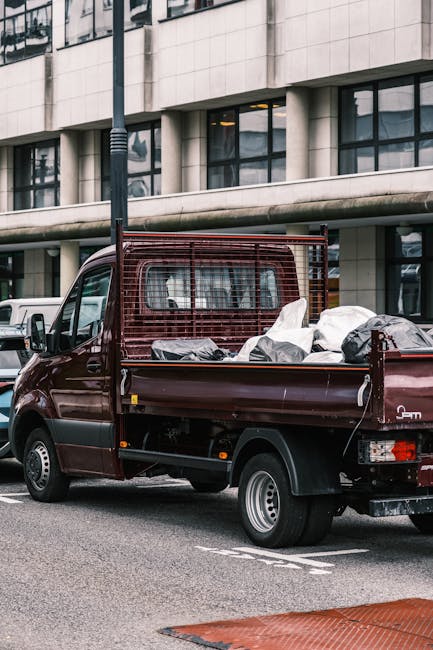
Running a shop or office on Lampton Road means dealing with the usual day-to-day pressure, and then there is the bulky stuff. Old desks, broken shelving, office chairs, display units, packaging still stacked in the back room, perhaps a fridge that has finally given up. It all takes up space, gets in the way of trading, and to be fair, nobody has time to stare at a pile of unwanted items wondering how it will disappear.
That is where bulky waste removal for Lampton Road shops and offices becomes genuinely useful. This guide explains what counts as bulky waste, how the removal process works, what to expect, how to avoid common mistakes, and how to make the whole job quicker, safer, and less disruptive. If you are trying to clear a front-of-house retail space, an upstairs office, or a stockroom that has turned into a holding pen for "we'll deal with it later", you are in the right place.
One important thing upfront: bulky waste is not just "big rubbish". It can include reusable furniture, electrical items, mixed waste, and occasionally items that need specialist handling. So the best result is rarely about simply throwing everything out. It is about sorting, lifting safely, and choosing the right disposal route. Let's make it straightforward.
Why bulky waste removal for Lampton Road shops and offices matters
Shopfronts and office spaces work best when they are clear, safe, and easy to move through. That sounds obvious, but in busy commercial premises clutter builds up quietly. A spare printer sits in one corner. A damaged display cabinet waits for "next week". A couple of old filing cabinets end up blocking access to storage. Before long, that harmless-looking backlog starts affecting the business.
For Lampton Road businesses, bulky waste removal is not only about tidiness. It affects how customers experience the space, how staff work, and how quickly you can adapt when stock, layout, or tenants change. A cramped back office can slow admin down. A cluttered shop floor makes merchandising harder. And if you are moving premises or refreshing a unit, delay can cost money. Nobody likes paying for extra days on a handover because a broken desk is still wedged in the corner.
There is also the safety angle. Unwanted bulky items can become trip hazards, block fire exits, or make cleaning more difficult. In a commercial setting, those are not minor annoyances. They are management issues. The sooner large items are removed, the easier it is to keep the building functional and presentable.
Another reason it matters is disposal quality. A responsible bulky waste service should consider reuse and recycling where possible, not just load everything and tip it. That is especially relevant for items like office furniture, shelving, and appliances. If you are trying to improve waste handling more broadly, it can also help to review wider services such as business waste removal and the company's approach to recycling and sustainability.
Expert summary: The best bulky waste removal is not the fastest collection alone. It is the one that clears the space, reduces disruption, and handles reusable or special items properly. That is the sweet spot.
How bulky waste removal for Lampton Road shops and offices works
The process is usually simpler than people expect, although a bit of planning helps a lot. In most cases, bulky waste removal follows four practical stages: assess, sort, lift, and dispose. The exact order depends on the site, the size of the items, and how accessible the building is. A ground-floor shop with rear access is very different from a first-floor office with a narrow staircase. Obvious, but worth saying.
1. Assess what needs to go
Start by listing each item or grouping items by type. For example:
- Office desks and chairs
- Retail shelving and display units
- Old counters or reception furniture
- Broken fridges, microwaves, or small appliances
- Mixed storage from stockrooms or back offices
- Packaging waste that has built up around larger items
This matters because some items may be suitable for reuse or recycling, while others require separate handling. A quick walk-through is usually enough to spot anything awkward, heavy, fragile, or potentially restricted.
2. Check access and timing
Access can make or break the job. Think about loading doors, stairwells, lifts, parking, delivery bays, and whether items need to be moved through customer areas. If a shop opens at 9 a.m., removing bulky items before trading begins can save a lot of hassle. Same for offices: early mornings or quieter periods tend to work best.
In practice, a good plan often means measuring larger items, identifying exit routes, and confirming whether any furniture needs dismantling before removal. A ten-minute measure-up can save a thirty-minute headache later. Simple, but true.
3. Separate special items
Not everything can be treated the same way. Fridges, freezers, electrical equipment, confidential paper, and potentially hazardous materials may need different handling. If your clear-out includes appliances, take a look at fridge and appliance removal. For confidential documents, confidential shredding is the safer route. And if something may be classed as hazardous, it deserves a separate review rather than an optimistic guess.
4. Remove, load, and dispose responsibly
Once everything is prepared, the team can remove the items, load them safely, and take them for reuse, recycling, or disposal. Good operators will avoid damaging walls, lift with proper technique, and keep the site as tidy as possible during the process. After all, nobody wants a clearance job that leaves a bigger mess than it started with. That would be a bit rich.
Key benefits and practical advantages
Bulky waste removal gives businesses more than a clean room. It gives them breathing space, quicker decision-making, and fewer operational delays. For Lampton Road shops and offices, those gains are often immediate.
- More usable space: Clearing old furniture and equipment makes storage, trading, and admin easier.
- Better presentation: A clean, uncluttered space feels more professional to customers and staff.
- Reduced safety risks: Fewer obstacles means fewer trip hazards and cleaner escape routes.
- Less staff distraction: Teams can focus on work instead of navigating around unwanted items.
- Smarter disposal: Reusable items may be diverted from landfill, where appropriate.
- Faster changeovers: Helpful during refurbishments, lease endings, or reconfigurations.
There is also a practical money angle. A cluttered site can slow operations, and time is expensive. If staff have to keep moving around old furniture or spending hours figuring out disposal, you are paying in labour, not just waste removal. In commercial settings, efficiency is often the real saving.
And if your clear-out is connected to an office refresh, pairing bulky waste removal with office clearance can make the job more coordinated. For larger mixed loads, waste removal can also be part of the answer.
Who this is for and when it makes sense
This service is a good fit for a wide range of Lampton Road businesses. The common thread is simple: you have large items that are no longer useful, and you want them gone without disrupting trade more than necessary.
Typical users include:
- Independent shops clearing old display units, stockroom furniture, or damaged fixtures
- Office managers replacing desks, chairs, filing cabinets, or IT furniture
- Landlords or managing agents preparing commercial units between tenants
- Small businesses moving premises and needing a quick clear-out before handover
- Retailers recovering storage space after a stock reset or refurbishment
- Hospitality or service businesses removing heavy, worn-out items from back-of-house areas
It makes sense when you have one or two large items, but also when you have a mixed pile that is awkward to move and even more awkward to sort out yourself. A lot of people assume a skip is the obvious option. Sometimes it is. Sometimes it isn't. If you are unsure what can go in one, what can go in a skip is a useful reference point.
It also makes sense when the items are too heavy for your team to move safely. Truth be told, a battered old filing cabinet can feel twice its actual weight once it hits a narrow corridor and the wheels stop working. That's when "we'll just do it ourselves" starts looking less clever.
Step-by-step guidance
If you want the job to go smoothly, a bit of structure helps. Here is the version that usually works best in real life.
- Make a complete list of everything that needs to go, including the awkward items hidden in cupboards or storage areas.
- Mark special categories such as appliances, electronics, confidential waste, or anything that might need separate handling.
- Measure large items if access is tight, especially when moving through stairwells or narrow shop entrances.
- Choose a suitable time that avoids your busiest trading period or staff peak hours.
- Clear the route from item to exit door so the removal can happen quickly and safely.
- Protect floors and walls where needed, particularly in customer-facing areas.
- Confirm disposal preferences if you want reuse or recycling prioritised for certain items.
- Check the space afterwards to make sure nothing small has been left behind.
A real-world example: a small office near Lampton Road may want to replace a mix of desks, chairs, and a broken under-counter fridge. If the team prepares by separating paperwork, unplugging the appliance, and clearing a path through the corridor, the whole process becomes far simpler. Without that prep, the job can drag. A lot.
If the clear-out includes soft furnishings or unwanted seating, the company's mattress and sofa disposal and furniture disposal pages can also be relevant, especially when items are bulky but still part of a wider office or retail refresh.
Expert tips for better results
Most bulky waste jobs become easier with a few small decisions made early. These are the habits that tend to save time and reduce stress.
- Sort by destination, not by sentiment. Keep reusable, recyclable, and waste items separate where practical.
- Deal with access first. If a lift is out of service or a rear gate is locked, you want that sorted before the team arrives.
- Bundle similar items together. It sounds minor, but grouped items are quicker to assess and load.
- Label what stays. In busy premises, it is easy for a useful chair to look like junk. A quick label avoids embarrassment and avoids loss.
- Ask about disposal routes. If sustainability matters to your business, ask how reusable items are handled.
One practical tip that gets overlooked: clear out loose cables, chargers, and small fittings before moving larger furniture. Those little bits snag on frames and corners. Then someone starts tugging, and suddenly the job becomes a small mess of wires and irritation. Not ideal.
If you manage property or want a broader clear-out plan, services like office clearance, builders waste clearance, or even furniture clearance may be useful depending on what else is in the mix.
Common mistakes to avoid
Most clearance problems are avoidable. The trouble is, they tend to look small until the day of the job. Then they become the whole job.
- Leaving everything mixed together. This slows the process and increases the chance of special items being handled badly.
- Ignoring access issues. A parked van in the wrong place or a locked loading area can cause delays.
- Assuming all bulky waste is the same. Electricals, fridges, and confidential materials are not "just more rubbish".
- Forgetting what still has value. Some furniture may be reusable or suitable for another site.
- Trying to lift heavy items without proper equipment. That is how avoidable injuries happen.
- Not checking what the provider can take. This is especially relevant if your load includes odd items or anything potentially hazardous.
There is one more mistake worth calling out: waiting too long. People often leave bulky waste until the space is already affecting business. By then, the clear-out is no longer a tidy-up task. It is an operational problem. Better to act earlier, even if the pile is only half-formed.
Tools, resources and recommendations
You do not need a warehouse full of equipment to manage a bulky waste job well. But a few practical tools make a big difference.
| Tool or resource | Why it helps | Best use |
|---|---|---|
| Measuring tape | Checks whether large items will fit through doors and corridors | Before collection day |
| Hand truck or sack truck | Helps move heavy furniture safely | For internal movement and loading |
| Labels or masking tape | Separates keep items from clear-out items | Busy offices and shared storage areas |
| Protective coverings | Helps prevent marks on floors and walls | Customer-facing premises or tight access routes |
| Item checklist | Stops forgotten clutter from being left behind | Stockrooms, offices, and back rooms |
From a planning point of view, it is also worth reviewing the company's pricing and quotes information before you book. That gives you a better sense of how the job may be assessed. If online booking is easier for your schedule, book online can be a convenient route.
And if you are comparing providers, do not just look at the headline message. Look at whether they explain their process clearly, whether they mention insurance and safety, and whether they talk plainly about disposal standards. Good businesses tend to be clear. Convenient, that.
Law, compliance, standards, or best practice
For businesses, bulky waste removal is not just a logistics issue. It can touch on duty of care, safety, data protection, and environmental responsibility. You do not need to become a waste law expert, but you do need to be sensible about how items are handled and who takes them away.
In UK practice, it is wise to ensure that waste is collected and managed by a provider that works safely, communicates clearly, and handles items appropriately. If your load includes office paperwork, a service like confidential shredding is the safer route than leaving documents mixed into general waste. If you have items that could be classed as hazardous, use the specific hazardous waste disposal route rather than guessing.
Best practice also means taking care with:
- Health and safety: Make sure staff are not lifting items beyond their ability and that exit routes stay clear. The company's health and safety policy should give you reassurance on that front.
- Insurance and access: For commercial sites, it is sensible to confirm that the team is properly covered and that site access is managed carefully. See insurance and safety.
- Responsible disposal: Look for signs that reusable materials and recyclable items are considered rather than automatically discarded. Recycling and sustainability should be part of the conversation, not an afterthought.
Also, if you are managing a mixed premises job, it is worth reading the provider's terms and conditions. It is not thrilling reading, admittedly, but it can prevent the awkward "I thought that was included" moment.
Options, methods, or comparison table
There are usually three realistic ways to deal with bulky waste in a shop or office. The right choice depends on volume, access, urgency, and what the items actually are.
| Method | Best for | Pros | Trade-offs |
|---|---|---|---|
| Bulky waste collection | Large furniture, mixed items, quick clear-outs | Convenient, minimal disruption, less lifting for your staff | May depend on access and item type |
| Skip hire | Ongoing works or repeated waste over several days | Useful for sustained projects, simple for on-site loading | Requires space, permits may be relevant, and not all items are suitable |
| Self-move and disposal | Small volumes and teams with transport and time | Potentially flexible if you already have capacity | Time-consuming, labour-heavy, and higher risk of injury or inconvenience |
For many Lampton Road shops and offices, the first option is often the most practical. Skip hire can make sense on refurbishment projects, especially where you already have work going on. If you are comparing that route, what can go in a skip is worth reviewing before you decide.
One thing that often surprises people is how much time a "do-it-yourself" clear-out can swallow. A couple of desks seems manageable. Add a printer, a cabinet, some packaging, and a stubborn old chair that refuses to fit through the door, and the afternoon disappears. It happens.
Case study or real-world example
Here is a realistic example based on the kind of job many local businesses face. A small office above a shop on Lampton Road needs to clear old desks, two storage units, several office chairs, a broken fridge, and a pile of surplus items from a back room before a layout refresh.
The team starts by separating what must stay, what can be reused, and what should be removed. They tape off a walking route through the building, unplug the fridge, and clear loose items from drawers and shelves. One desk is larger than expected, so it needs to be dismantled in place. Slightly annoying, but manageable.
Because the plan is prepared in advance, the removal is completed without interrupting the shop below. The office gets its floor space back, the old appliance is handled separately, and the staff can start setting up the new layout the next day. That is the ideal outcome: not dramatic, just smooth.
What stands out in jobs like this is how much easier the space feels afterwards. Even the air seems less heavy once the bulky stuff has gone. A bit dramatic, maybe, but anyone who has cleared an office knows exactly what I mean.
Practical checklist
Use this before arranging bulky waste removal for Lampton Road shops and offices.
- List all bulky items that need removing
- Separate furniture, appliances, electronics, and paperwork
- Measure large or awkward items
- Check stairwells, lifts, loading points, and parking access
- Choose a time that causes the least disruption
- Mark items to keep clearly
- Move confidential material into secure handling first
- Identify anything potentially hazardous
- Ask about reuse, recycling, and disposal routes
- Confirm insurance, safety, and terms before booking
- Make sure the final area is checked after clearance
If you want a broader commercial clear-out, you may also find office clearance and business waste removal helpful as part of the same plan.
Conclusion
Bulky waste removal for Lampton Road shops and offices is really about restoring usable space without adding stress to an already busy day. Whether you are clearing old shop fixtures, replacing office furniture, or making room for a refurbishment, the smartest approach is usually the simplest one: plan the access, sort the items, handle special waste carefully, and choose a disposal route that fits the job.
When that happens, the benefits are immediate. The space feels better. Staff can move more freely. Customers see a more professional environment. And the job that looked like a nuisance at the start becomes one less thing hanging over you.
Get a free quote today and see how much you can save.
Sometimes the quickest win in a business is just clearing the right things out, properly and without fuss. Funny how that works.
Frequently Asked Questions
What counts as bulky waste in a shop or office?
Bulky waste usually means large items that are awkward to lift, carry, or dispose of through normal bins. In shops and offices, that often includes desks, chairs, cabinets, shelving, counters, appliances, and similar oversized items.
Can bulky waste removal handle office furniture?
Yes. Office furniture is one of the most common reasons businesses book bulky waste removal. Desks, chairs, filing cabinets, reception units, and storage furniture are all typical examples.
Is bulky waste removal better than hiring a skip?
It depends on the job. Bulky waste removal is often better for heavy furniture, mixed items, and quick clear-outs. A skip can suit longer projects or ongoing refurbishment work. If you are unsure, compare the site access, item types, and volume first.
What should I do with old fridges or freezers from the office?
Appliances like fridges and freezers should be separated from general bulky waste and handled through an appropriate appliance removal route. They should not just be mixed in with furniture without checking first.
Can confidential papers be taken with general bulky waste?
They should not be treated casually. If papers include sensitive business information, confidential shredding is the safer option before or alongside bulky waste removal.
How do I prepare a Lampton Road shop for bulky waste collection?
Clear walkways, label what is staying, measure large items, and separate anything special such as appliances or documents. If the business is trading, it also helps to schedule the collection outside peak hours.
Will bulky waste removal disrupt customers?
It does not have to. With good timing and a clear route, the impact can be kept low. Early morning collections or quieter periods usually work best for customer-facing premises.
What if the bulky item is too heavy to move safely?
That is exactly when professional removal makes sense. Heavy items can cause injuries or damage if they are handled without the right equipment or lifting technique.
Can furniture be reused instead of thrown away?
Sometimes, yes. Reusable items may be suitable for another site, donation, or recycling stream depending on condition and the provider's handling process. It is always worth asking.
Do I need to sort everything before the team arrives?
You do not need to have everything perfectly arranged, but basic sorting helps a lot. Separate furniture, documents, appliances, and anything potentially hazardous where possible. It makes the clearance quicker and less expensive in effort.
What if my office is upstairs or has narrow access?
That is common. The main thing is to mention it early, measure the largest items, and make sure the access route is workable. A site with stairs or tight corridors just needs a little more planning.
Is bulky waste removal suitable for one-off clear-outs?
Absolutely. It is often used for one-off jobs such as office moves, shop refits, tenant changeovers, or sudden furniture replacements. You do not need a huge pile for it to be worthwhile.
How do I choose a reliable provider?
Look for clear communication, sensible handling of special items, a straightforward process, and evidence that safety and responsible disposal are taken seriously. The right provider should make the job feel calmer, not more complicated.