Health & Safety Policy — Flat Clearance Heston
 Purpose: This policy sets out the commitment of Flat Clearance Heston to maintain a safe working environment for staff, contractors and the public during all flat clearance and rubbish removal activities. It applies to all operations associated with waste clearance, removal of bulky items, and property tidy-ups across our service area. The aim is to prevent injury, protect health and safeguard property by implementing clear procedures, safe systems of work and ongoing risk management. We emphasise a practical, proactive approach to safety.
Scope and application: The policy covers operational staff, temporary workers and third-party contractors involved in flat and rubbish clearance. It includes manual handling, working at height, use of vehicles for transportation, hazardous waste identification, and the handling of contaminated items. All personnel engaged in flat removals and waste clearance must be familiar with this policy and follow its provisions. The policy is relevant to domestic, communal and small commercial clearances within the wider service region.
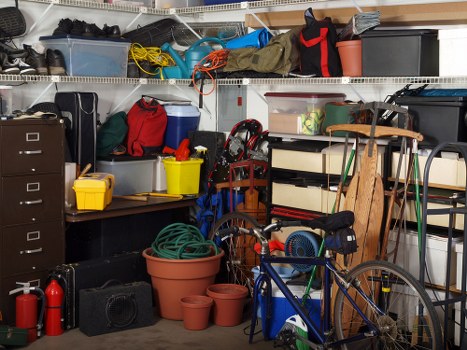 Hazard identification and risk assessment: We will systematically identify workplace hazards and assess risks before work begins. Key hazards include manual handling injuries, slips, trips and falls, sharp objects, asbestos risks in older properties, needle-stick injuries, vehicle and traffic risks, and exposure to biological or chemical contaminants. Controls are determined by risk level and may include elimination, substitution, engineering controls, administrative measures and personal protective equipment. Typical control measures include:
- Pre-site assessment to identify bulky or hazardous materials;
- Safe manual handling techniques and lifting aids;
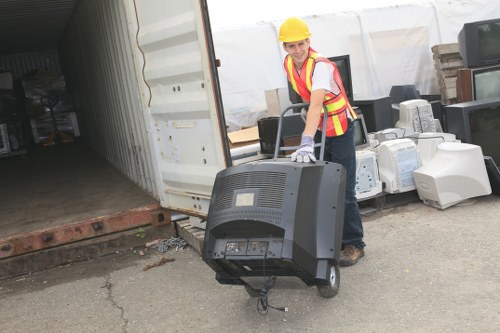
- PPE such as gloves, eye protection, and high-visibility clothing;
- Vehicle loading procedures and securement of loads;
- Segregation of recyclable, hazardous and general waste streams.
Responsibilities: Senior management are responsible for setting and maintaining safe standards, providing resources and ensuring compliance with relevant health and safety obligations. Supervisors and crew leaders must ensure safe systems of work are followed on-site, that staff receive appropriate supervision, and that any unsafe condition is reported and rectified without delay. Individual workers have a duty to act responsibly, use equipment properly, wear required PPE and report hazards or incidents promptly. Collective responsibility ensures safer clearance operations.
 Training, competence and communication
All personnel will receive adequate training and instruction for their roles, including manual handling, safe use of trolleys and lifting equipment, awareness of hazardous materials and basic first aid. Competence checks and refresher training will be scheduled periodically to maintain capability. Tool-box talks and pre-shift briefings will communicate specific site risks and daily tasks. Work instructions will be clear, and signage used where necessary to indicate exclusion zones or hazardous items. Our rubbish removal teams are briefed to prioritise safety over speed.
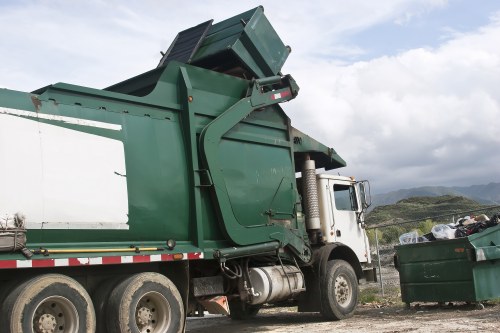
Equipment, PPE and vehicle safety: Equipment will be maintained to a safe standard with routine inspections and servicing. PPE will be provided as appropriate and must be used when required. Vehicles used for waste removal will be checked daily for roadworthiness and securement systems. Drivers and loaders will follow safe loading procedures to prevent overloading and shifting loads. Where mechanical aids are provided, staff will be trained in their safe operation and the correct selection of lifting aids for bulky items.
Waste handling, segregation and storage: Waste will be segregated into suitable streams to minimise environmental risk and protect staff handling loads. Hazardous materials that are not suitable for routine flat clearance will be identified and isolated, and specialist removal protocols followed. Temporary storage areas must be tidy, labelled and secured to prevent unauthorised access or accidental exposure. Recyclables and reusable items should be separated when safe to do so, and any suspect asbestos or chemical containers will trigger an immediate stop to work and specialist advice.
 Emergency response and incident reporting: Clear procedures are in place for first aid, fire, vehicle incidents and potential contamination events. Staff must know the location of first aid kits and fire extinguishers on vehicles and at hubs. All accidents, near-misses and hazardous exposures must be reported and recorded to enable investigation, corrective action and learning. Root-cause analysis of incidents will inform changes to training, procedures or equipment to prevent recurrence and improve the safety of future flat clearances.
 Monitoring, review and continual improvement
We will monitor compliance through regular site inspections, audits and performance reviews. Safety performance indicators will be tracked and reported to management for action. Contractors and temporary operatives will be assessed for safety performance before engagement and monitored throughout assignments. This policy will be reviewed annually or following significant incidents, legislative changes, or operational changes to the way we conduct flat removals and rubbish collection. Continuous improvement ensures our waste clearance services remain safe, responsible and efficient.
Commitment: Flat Clearance Heston is committed to delivering safe rubbish removal and flat clearance services that protect people and property. Everyone involved in our operations is expected to adhere to this policy, contribute to a safety culture and act immediately to reduce risk. Together we will maintain high standards of health and safety across all aspects of clearance work.