Rubbish removal Heston TW5 guide for Heston Road homes
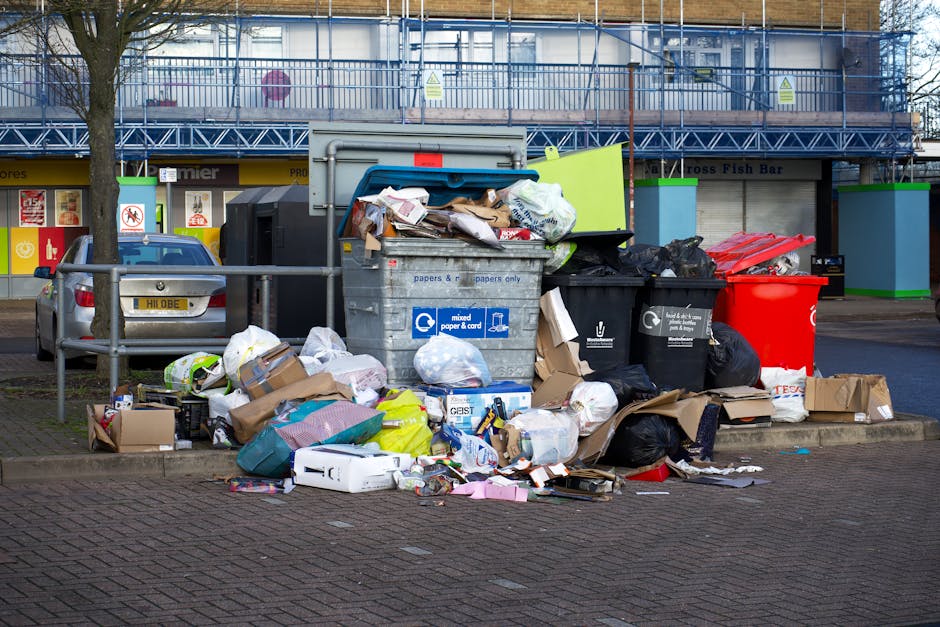
If you live on Heston Road and the bin corner is starting to look like a holding bay for old furniture, broken appliances, garden waste, or the remains of a DIY weekend that got slightly out of hand, this guide is for you. Rubbish removal in Heston TW5 is not just about "getting rid of stuff"; it is about doing it safely, quickly, and in a way that fits local homes, tight driveways, shared access, and normal everyday life. This article walks you through how it works, what to expect, what to avoid, and how to choose the right service without the usual faff.
You will find practical advice for Heston Road homes, whether you are clearing a loft, emptying a garage, replacing a sofa, or dealing with mixed household waste after a move. A little planning goes a long way. Truth be told, most clearances go smoother than people expect once the awkward bits are removed from the process.
Why Rubbish removal Heston TW5 guide for Heston Road homes Matters
Heston Road homes often face the same old clearance headaches: limited storage, shared front access, awkward stairwells, and items that are too bulky for regular household bins. That means rubbish removal becomes less of a convenience and more of a practical necessity. When the pile starts to block a hallway, attract dust, or make it hard to get to the back room, you feel it every day.
There is also a timing issue. A room full of clutter can drag out decorating plans, slow down a sale, or make a home feel smaller and more stressful than it really is. In our experience, people often delay clearance longer than they should, partly because the job looks bigger than it is. Once the first load leaves, the rest usually feels manageable. Funny how that works.
For Heston Road residents, the guide matters because the local setting shapes the job. Terraced or semi-detached properties, shared parking, and neighbours who quite rightly do not want a skip blocking the street all influence the best removal method. A well-planned clearance keeps disruption low and avoids those awkward "sorry about the noise" conversations at the gate.
If you are dealing with a full property or a more focused clearance, related services such as house clearance, home clearance, or garage clearance may be a better fit than trying to handle everything yourself in bits and pieces.
How Rubbish removal Heston TW5 guide for Heston Road homes Works
Most rubbish removal jobs follow a simple rhythm. You show the waste, the team assesses the load, then the items are removed, sorted, and taken away for disposal or recycling. The exact process depends on the type of waste, access to the property, and whether the job is a single-item pickup or a larger clearance.
For Heston Road homes, access is usually the deciding factor. Can a vehicle stop close enough? Is there a narrow side path? Are there stairs or loft boards involved? These small details matter more than people think. A sofa that looks straightforward in the lounge can turn into a three-person puzzle at the front door. Little things, big impact.
Professional clearance services typically work in stages:
- Assess the items and the amount of waste.
- Confirm any special handling needs, such as appliances or hazardous material.
- Arrange a time that fits the property and the road access.
- Load the waste safely and separate recyclable materials where possible.
- Remove the rubbish and leave the area swept or tidied if that is part of the service.
For larger or more mixed loads, it can help to compare this with options like waste removal or, where the job is mainly old household items, furniture clearance. That way you do not overpay for a bigger service than you need.
A sensible provider will also be clear about what happens to the waste afterwards. Reuse, recycling, and proper disposal should all be part of the conversation, not an afterthought.
Key Benefits and Practical Advantages
There is a reason people keep booking rubbish removal instead of trying to manage it on their own. The benefits are not glamorous, but they are real.
- Speed: A job that might take you all weekend can often be completed far quicker.
- Less lifting: Heavy items like wardrobes, white goods, or old mattresses are awkward and potentially risky.
- Cleaner spaces: Once the clutter goes, rooms feel easier to use and clean.
- Better planning: Clearance helps when you are decorating, moving, or downsizing.
- More responsible disposal: Mixed waste can be sorted properly rather than all going in one pile.
- Fewer headaches: No skip permit stress, no repeated car trips, no "where on earth do we put this now?" moments.
One benefit that gets overlooked is mental breathing room. A messy hallway or overcrowded loft can quietly nag at you every day. Remove the clutter and the whole home feels a bit more settled. Not dramatic. Just better.
For some jobs, the best gain is flexibility. If you only have a few bulky pieces, mattress and sofa disposal or fridge and appliance removal may be the most direct route. If the pile is broader, a more general service can save time and stop the job becoming fragmented.
Who This Is For and When It Makes Sense
This kind of clearance makes sense for plenty of Heston Road households. In practical terms, it is for anyone who has more waste than a standard bin collection can sensibly handle.
It is especially useful if you are:
- clearing out a loft, garage, shed, or spare room;
- moving home or preparing a property for sale;
- replacing furniture and need the old pieces taken away;
- sorting after a renovation or small building project;
- managing a deceased estate or a family home clearance;
- dealing with mixed rubbish after a long period of accumulation;
- trying to keep things tidy without taking multiple trips to a disposal site.
It also makes sense if the waste includes awkward items. Old wardrobes, broken shelves, torn sofas, damaged exercise equipment, or a shed full of bits that you have no intention of sorting one by one - yes, that sort of thing. Sometimes the best move is simply to bring in help and get it done.
For smaller rooms or flats, a more targeted service such as flat clearance can be more efficient. For broader, whole-property jobs, house clearance is often the cleaner match.
Step-by-Step Guidance
If you want the process to go smoothly, treat it like a short project rather than a last-minute chore. Here is the simplest way to handle it.
- Walk through the property. Look at every area that needs clearing, not just the obvious room. Kitchens, lofts, under-stair cupboards, and garages often hide the real volume.
- Separate the special items. Appliances, confidential paperwork, and anything hazardous should be flagged early so they are handled correctly.
- Decide what stays. Keep a "must keep" zone clear. If you are uncertain, put items in a review pile rather than mixing them with waste.
- Take a few clear notes or photos. This helps when requesting a quote and avoids misunderstandings later.
- Check access. Measure stair width, note parking restrictions, and think about any tight corners or low door frames.
- Choose the right service type. You may need general waste removal, specialist furniture disposal, or a broader home clearance.
- Confirm the collection plan. Agree timing, payment details, and what should happen if the load turns out bigger than expected.
- Prepare the items. Bundle loose materials, empty drawers where practical, and make sure pathways are safe to walk through.
- Be ready for final checks. A quick look over the space before the team leaves can catch forgotten items, especially in lofts or outbuildings.
One small but useful habit: keep a bin bag or box for "things to decide later". That sounds vague, I know, but it stops the whole clearance being derailed by a random cable, key, or charger you suddenly cannot live without. We have all done it.
Expert Tips for Better Results
Here is where a bit of experience saves time and money.
Tip 1: Group waste by type before the team arrives. You do not need to sort everything into a recycling lesson, but separating furniture, general rubbish, electrical items, and garden waste makes the job easier.
Tip 2: Keep a clear path from the main waste area to the exit. Even a narrow path matters. Shoes, plant pots, and random boxes on the stairs can turn a quick collection into a slow shuffle.
Tip 3: Be honest about the volume. Underestimating the amount of rubbish is common. It usually leads to stress or a second visit. Better to overexplain slightly than surprise everyone on the day.
Tip 4: Think about reuse. A service that can separate reusable items from true waste is often a more sensible choice. It is not only practical, it can also reduce unnecessary disposal.
Tip 5: Ask what happens to appliances and mixed materials. This matters with fridges, cookers, old freezers, and other hard-to-dispose-of items. If you need that kind of support, fridge and appliance removal is worth considering rather than treating everything as one big mixed load.
Tip 6: Pick the right time of day. Mornings are often best for access and for getting the job out of the way before the rest of the day gets noisy. And yes, tea afterwards does feel earned.
Common Mistakes to Avoid
The biggest mistakes are usually not dramatic. They are small, practical oversights that create avoidable mess.
- Waiting until the pile becomes unmanageable. Once clutter spreads, the job takes longer and feels harder.
- Not checking access. A truck cannot always park where you imagine it can.
- Mixing rubbish with items you still want. Happens all the time. Painful, but avoidable.
- Forgetting hazardous or restricted waste. These items need separate handling, not casual guessing.
- Choosing a service based only on price. Cheap can be fine, but only if the service is clear, lawful, and suitable.
- Ignoring what is recyclable. Good sorting can reduce avoidable disposal and support a cleaner finish.
There is also a common emotional mistake: assuming the whole process will be stressful. It often is not. Once you break the job into a few sensible steps, it becomes a straightforward task rather than a project hanging over your head.
Tools, Resources and Recommendations
You do not need much in the way of equipment, but a few simple tools make everything easier.
- Strong bin bags for smaller loose waste.
- Marker tape or labels to mark keep, donate, and remove piles.
- Gloves for dusty loft or garage items.
- Phone photos to document the load before collection.
- Basic measuring tape for access and item sizing.
- Cleaning cloths and a brush for a final tidy once the waste is gone.
For mixed household clearances, the most useful resources are usually the service pages themselves because they help you match the job to the right type of clearance. For example, home clearance can suit wider domestic jobs, while furniture disposal is better when the main issue is bulky old items. If you are still unsure, the pricing and quotes page is a practical place to understand how quotes are typically approached.
If you care about where the waste ends up - and you should - a provider with a clear recycling and sustainability approach is a smart choice. It shows they are thinking beyond the collection itself.
Law, Compliance, Standards, or Best Practice
Waste removal in the UK sits within a framework of legal and practical responsibilities. You do not need to become a compliance expert to book a clearance, but it helps to know the basics.
Duty of care matters. In plain English, waste should be handled by someone who is allowed to collect it and who takes it to an appropriate facility. As a homeowner, that means you should be cautious about who you hand rubbish to. If a provider cannot explain what happens to the waste, that is a red flag. Not a huge neon one, but a red flag all the same.
Some items need special treatment. Hazardous materials, certain electrical items, and anything potentially harmful should not be tossed into a general pile. If your clearance involves paint, chemicals, oils, or similar materials, a service aligned with hazardous waste disposal is the safer route.
Recycling and responsible sorting are best practice. Not every item can be reused or recycled, but sorting useful materials away from general waste is standard good practice. It is sensible, efficient, and often just the right thing to do.
Insurance and safety should never be an afterthought. Furniture lifting, appliance moving, and loading in tight spaces can all create risk. A reputable provider should work with care and have clear safety procedures. If you want to understand that side more fully, insurance and safety and health and safety policy pages are useful signs that the business takes the basics seriously.
For waste generated by home improvements, builders waste clearance may also be the better fit, especially where rubble, timber offcuts, plasterboard, or packaging are involved. Choosing the right category matters more than many people realise.
Options, Methods, or Comparison Table
If you are deciding between removal methods, here is a simple comparison. The right choice depends on waste type, access, and how quickly you need the space cleared.
| Option | Best for | Pros | Trade-offs |
|---|---|---|---|
| General rubbish removal | Mixed household waste and small-to-medium clearances | Flexible, quick, and convenient | May not suit large specialist loads |
| House clearance | Whole-property or large domestic clearances | Covers more items in one visit | Can be more than you need for a small job |
| Furniture clearance or disposal | Sofas, wardrobes, tables, beds, and bulky items | Good for heavy or awkward pieces | Not ideal if the waste is mostly mixed rubbish |
| Garage clearance | Stored clutter, tools, boxes, and old household bits | Great for reclaiming space quickly | Can uncover more waste than expected |
| Skip-based approach | Projects with steady, self-managed loading | Useful for ongoing DIY work | May be less convenient on busy Heston Road access |
If you are trying to decide whether a skip is the right move, what can go in a skip is worth checking so you do not get caught out by mismatched waste. A lot of people assume "rubbish is rubbish". It is not quite that simple, unfortunately.
Case Study or Real-World Example
Imagine a typical Heston Road home where the loft has quietly turned into a storage archive: old suitcases, a broken chest of drawers, a worn mattress, cardboard boxes, and two bags of odd items from three different years. Meanwhile, the garage holds leftover garden tools, a dismantled shelf unit, and a freezer that has not worked since last winter.
The homeowner's first instinct is usually to sort it all over a weekend. Then Saturday arrives, the dust starts lifting, and the job becomes three jobs. One for the loft, one for the garage, and one for the appliance. By Sunday afternoon, the hallway is full and the kettle has been used far too many times.
A better approach would be to list the load by area, separate the appliance, and arrange one combined clearance with the right service mix. In practice, that can mean pairing a general waste removal booking with fridge and appliance removal and a small amount of furniture disposal. The result is less moving things twice and far less stress on the day.
What people usually notice afterwards is not only the empty space, but the feeling that the house has become easier to live in. The light comes back in. Doors open fully. You stop stepping around a stack of "sort later" items. Small win, but a real one.
Practical Checklist
Use this quick checklist before booking or collection day.
- List every room, loft, garage, shed, or cupboard that needs clearing.
- Separate keep, donate, recycle, and remove piles where possible.
- Measure any bulky furniture, appliances, or awkward items.
- Check whether the property has stairs, narrow corridors, or parking limits.
- Identify hazardous items and set them aside for special handling.
- Take a few photos for reference.
- Confirm the service type you actually need.
- Ask how the waste will be sorted, recycled, or disposed of.
- Make sure the path to the exit is clear.
- Do a final sweep of each space before the team leaves.
Expert summary: The smoothest rubbish removal jobs on Heston Road are the ones with clear access, honest item descriptions, and the right type of service for the load. Keep it simple, keep it safe, and do not let small unknowns grow into a bigger job than necessary.
If you are ready to move from planning to action, the next sensible step is to review the service options and book when the timing suits your home. You can start with book online or learn more about the team through the about us page if you want extra reassurance before making a decision.
Conclusion
Rubbish removal for Heston TW5 homes is really about making everyday life easier. Whether you are clearing a single room or untangling a whole-property mess, the right approach saves time, reduces stress, and helps you use your space properly again. On Heston Road, where access and property layout can shape the job, a little thought at the start makes a big difference.
The key is to match the service to the waste, be realistic about volume, and choose a provider that treats safety, sorting, and disposal properly. Once you do that, the whole process becomes far less daunting than it first appears. And yes, the relief of seeing a clean floor where clutter used to be is genuinely satisfying.
Get a free quote today and see how much you can save.
Sometimes the best home improvement is simply getting the old stuff out the door. There is a calm that follows, and you notice it straight away.
Frequently Asked Questions
What does rubbish removal in Heston TW5 usually include?
It usually includes the collection and disposal of household waste, bulky items, furniture, garden waste, and mixed clutter from homes. The exact scope depends on the service you book and the type of waste involved.
Is rubbish removal better than hiring a skip for Heston Road homes?
It depends on access and how much waste you have. If you want quick loading and do not want a skip sitting outside, rubbish removal is often easier. For ongoing DIY work, a skip may still make sense.
Can I book rubbish removal for just one item?
Yes, in many cases a single bulky item can be removed without needing a full clearance. That is common for sofas, mattresses, fridges, and other awkward pieces.
What should I do with old appliances before collection?
Keep them accessible, unplugged, and clearly separated from general waste where possible. If you have larger white goods, specialist appliance removal is usually the safest approach.
How do I prepare my Heston Road home for rubbish removal?
Clear a path, separate keep items from remove items, and gather any special waste such as electronics or hazardous material. A few photos can also help if you are asking for a quote.
Is household waste sorted after collection?
It should be. Responsible providers separate recyclable materials and handle different waste types appropriately rather than sending everything into one mixed pile.
Can rubbish removal help with a loft or garage full of clutter?
Yes, and those are some of the most common jobs. Loft and garage clearances are ideal when you need space back quickly and do not want to tackle years of stored items one by one.
What if I have hazardous waste mixed in with normal rubbish?
Set those items aside and mention them before booking. Hazardous materials need separate handling, so do not assume they can go with the rest of the load.
How long does a typical clearance take?
That varies a lot by volume and access. A small collection might be quick, while a larger household clearance can take longer. The easier the access, the smoother the job tends to be.
Should I choose a house clearance or general waste removal?
Use house clearance for bigger domestic jobs, especially if multiple rooms are involved. Use general waste removal when you mainly have mixed rubbish or a smaller, more targeted load.
How do I know if a provider is trustworthy?
Look for clear explanations, sensible safety practices, and a straightforward approach to disposal and recycling. Useful pages like insurance and safety and recycling and sustainability are good signs that the business takes its responsibilities seriously.
What is the best first step if I am overwhelmed by clutter?
Start with one area, not the whole house. Pick the room causing the most frustration, sort the obvious items, and get a quote based on that. Once the first load goes, the rest usually feels much easier.